
 Responding quickly and smartly to a crisis, protecting the community and ensuring the continuity of operations are all critical to practical, successful emergency management. Our LECMgt team can ensure that these keystones are part of your plan going forward. We invite you to review the essential elements that make our emergency management approach so reliable in an unpredictable world.
Emergency Planning
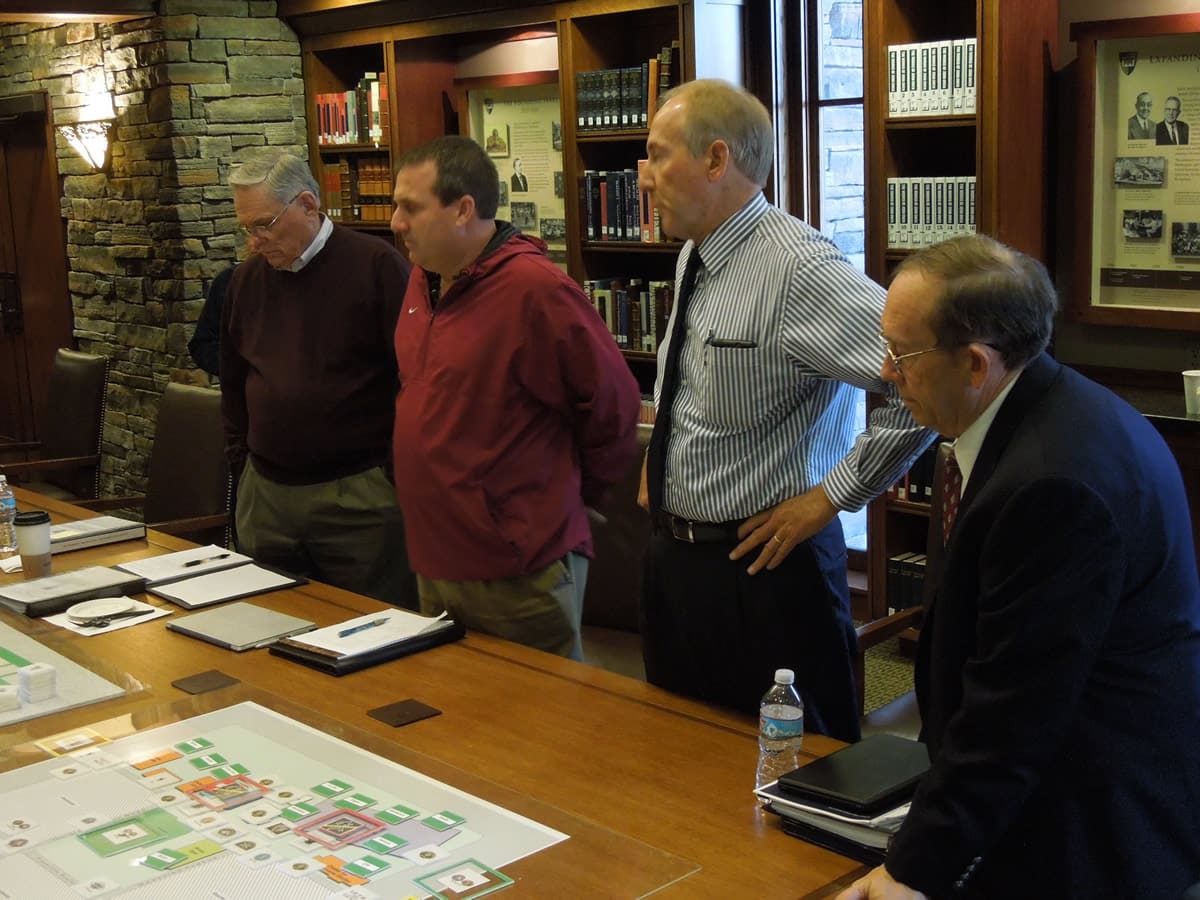 Developing a successful emergency plan first requires understanding how your organization, facility or business entity operates. It also entails listening to your concerns and needs, as well as to those of your partnering stakeholders. LECMgt provides the most comprehensive and practical approach to emergency operations planning because we customize it to your unique circumstances, whether you are a local government, a school district, a corporation or a public utility. Our vision is always to make you less vulnerable by providing you with the capacity to cope effectively with any hazard, disaster or crisis situation. This means coordinating and integrating every aspect of good, strategic preparation. You will find our planning services to be innovative, risk-driven, collaborative, flexible and always professional.
Training
Some people say “they just know good training when they see it.” LECMgt takes a different approach. We use our professional background and education techniques to provide our learners with the most practical and comprehensive training they can receive. We emphasize active learning techniques such as simulation training. Participants develop hands-on experience in a consequence-free environment. We are prepared to train single individuals for a task or position or introduce large groups to new sets of knowledge and experiences. Our training abilities reach across all of the readiness domains.
Procedures
Smart emergency management follows a set of defined procedures, determining what actions should be taken and when. To stay ahead of any crisis, you must identify the actions to take, given a set of contingencies. LECMgt can ensure that your emergency procedures are much more than a long checklist. Here is how we evaluate your unique circumstances and develop the procedures they require.
- Determine if procedures can accomplish what they’re designed to do
- Ensure they are compliant with the latest regulatory requirements
- Integrate procedures with other emergency stakeholders’ plans
- Prepare any new procedures needed
- Develop clear guidelines for deployment of your emergency plans
- Train your team to implement your procedures properly
Exercises
Every crisis has its own distinctive character. Consequently, LECMgt offers the full range of training exercises, whether discussion-based or operations-based in nature. We can support your efforts with:
- Tabletop exercises featuring simulated scenarios in an informal setting that allow you to assess plans, policies and procedures
- Operations-based exercises that clarify your roles and responsibilities, validate your plans and identify key resource gaps in your operation
- Functional exercises that examine the command and coordination between multi-agency operations centers
- Full-scale exercises that involve functional joint field offices, operations centers and “boots on the ground” response