
Coordinating Your EOP with Jurisdiction Partners
by Roger Mason PhD
Introduction
Emergency operations plans (EOPs) are some of the most essential planning documents a city must develop. Many cities focus on their internal operations and planning priorities, but overlook the bigger issue of how they will operate during a regional disaster. The jurisdictions that surround you are working on their EOPs. How can you coordinate your plans, manage resources, and become self-supporting?
Four planning topics should be considered when developing or upgrading an emergency operations plan: evaluating your jurisdiction partners, understanding your operational area plans, managing resources, and pre-event preparations. By evaluating these topics, you will be a better jurisdictional partner and enjoy a more realistic planning foundation for your EOP.
Evaluating your Partners
The first step is evaluating your partner. Who are they and what do they do? What makes them unique?
 Type of Jurisdiction
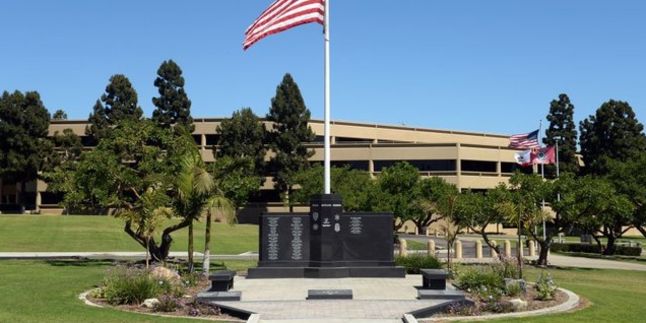
There are many types of jurisdictions and entities. There are two types of jurisdictions: general mission and specific mission. General mission jurisdictions operate continually, and their responsibilities continue during a disaster. Examples include local government, public utilities, state agencies. Specific jurisdictions may include airports, school districts, and harbors. A disaster may restrict their normal operations. This may make their resources available during a disaster.
Cities
Local governments are similar from city to city. They provide or contract the same types of services (public safety, public health, public works, and transportation).
Special Districts
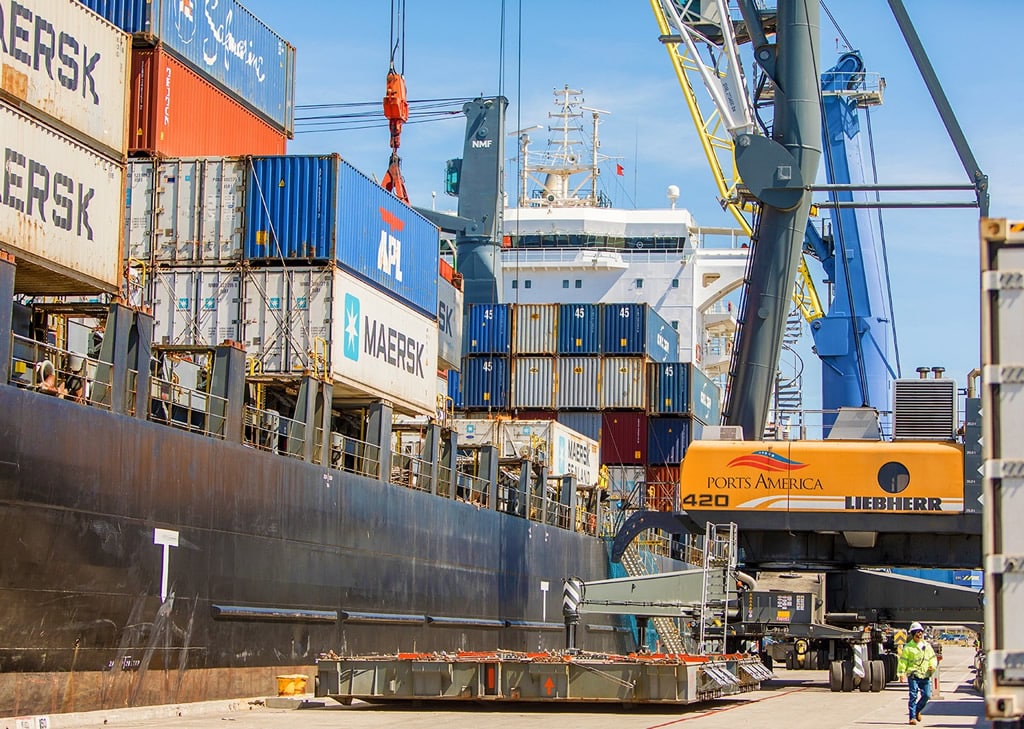 Special districts are common in the United States. States allow the formation of local government agencies in the form of special districts. These districts are intended to fill a specific need for a community or a region. In California, special districts can be single or multi-functional. Examples of special districts are airports, harbors/ports, sanitation, public safety, utilities, and transit. Districts such as airports, ports, transportation, and utilities often provide their own functional capabilities for public works and safety.
State
The State of California has agencies that operate like local governments. These agencies have departments that provide services common to local government. Examples include the California State Universities and University of California campuses who have their own public safety, hazmat, and public works departments.
Federal
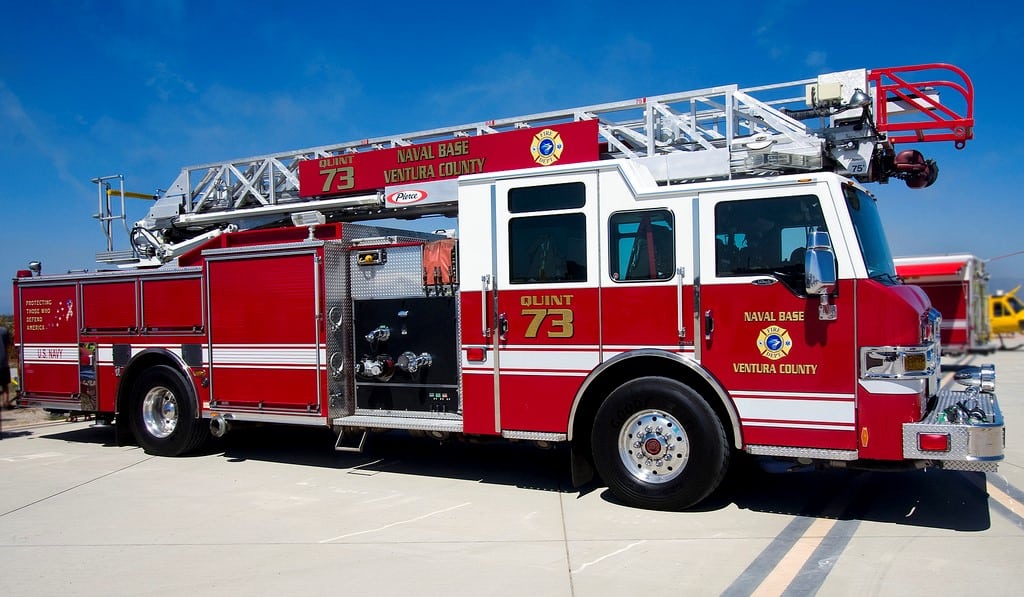 The federal government has a wide variety of services and capabilities. Some federal facilities such as military bases operate as stand-alone agencies with internal public safety operations including fire and hazmat capabilities. Most of the personnel are civilians. Some jurisdictions may have several co-located agencies such as the Department of Defense and the Coast Guard.
Education
School districts often operate with a variety of internal functional departments including public safety and public works. The University of Southern California has public safety including fire protection. These organizations have vehicles, personnel, and resources.
Commercial Entities
Large commercial entities often have functional departments that mirror capabilities in local agencies. These capabilities include emergency operations centers, vehicles, trained personnel, and supplies. A good example is the Southern California Gas Company.
In Burbank, California Warner Brothers and Disney Studios have full emergency operations capabilities and their own fire protection. In Mono County, the largest resource for heavy equipment and trained operators belongs to the Mammoth Mountain Resort. Commercial entities often have employees with specialized expertise.
Local Organizations
 During disasters, organizations such as the Red Cross and local faith centers can provide resources, volunteers, and facilities. Coordination with the Red Cross is especially important. They will have pre-selected locations and facilities as disaster shelters and points of distribution for supplies.
Secondary Partners
Jurisdictions should be aware of secondary partners such as your regional medical centers. Secondary partners should be included in your EOP.
Shared Connections and Responsibilities
An important part of coordinating your EOP with your jurisdiction partners is developing a list of your shared connections and responsibilities. Shared connections are where partner jurisdictions share a capability or a function. Partner jurisdictions may also share responsibility for capabilities and functions. Each jurisdiction may have varying levels of responsibility which may impact the importance they place on the function.
 Reviewing Their EOP
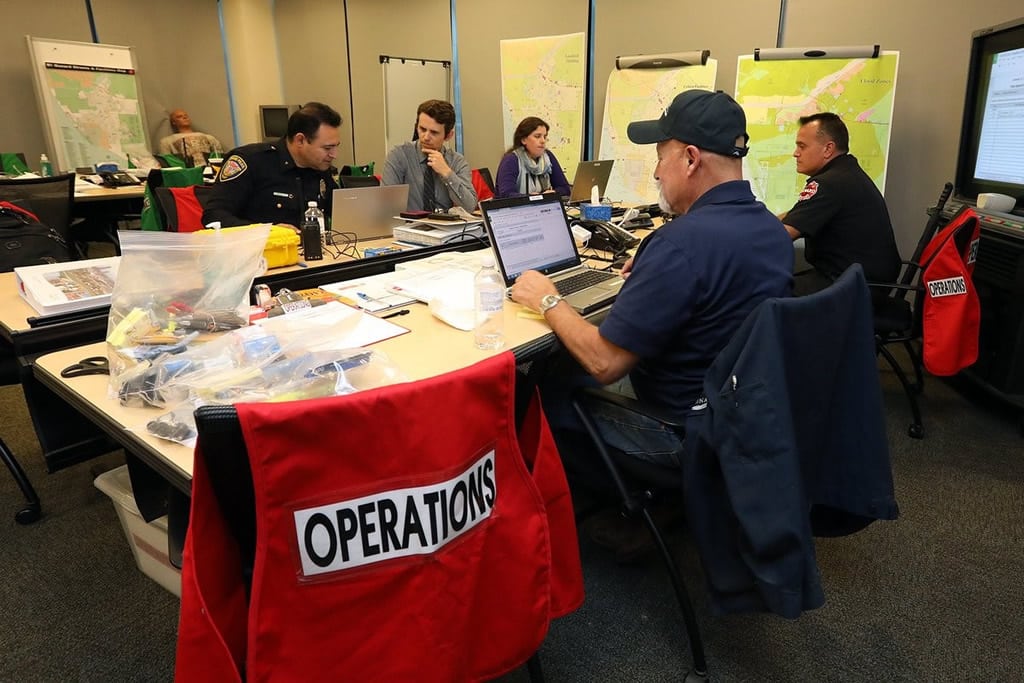
When developing your EOP you must review the EOPs of the surrounding jurisdictions. This will assist you in coordination during a disaster. This review will reveal your partner’s priorities and issues. It will also indicate if they have reach-back capabilities often available in larger organizations.
Reviewing Operational Area Plans
Each jurisdiction is part of an operational area. During a disaster, the operational area will operate as a single agency with unified command and control and resource management
OA Expectations
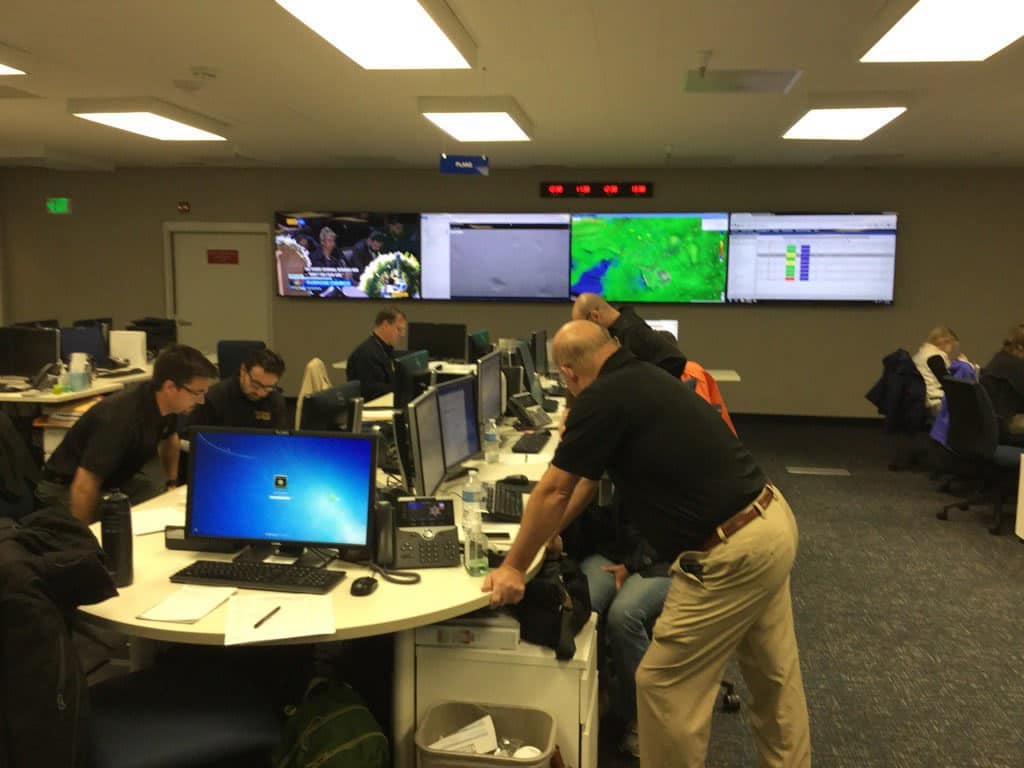 It is important to understand your responsibilities and those of your jurisdiction partners to the operational area. Other issues include the planning parameters established by the operational area. These parameters serve as planning guidelines of the operational area response. Good examples are the operational area traffic and evacuation plans. It is important to know that a major street in your city is an evacuation route. Your planning and coordination efforts should include evaluating the operational area disaster plan.
Operational Area Versus Jurisdictional Capabilities
Jurisdictions should develop a list of capabilities they may need during a disaster. An example is heavy equipment rescue. Who has this type of capability and what is the probable availability during a disaster?
Jurisdictions should know what is available, who has it, and how to get it. One of the biggest issues in disaster management is competing for limited resources. The jurisdictions trying to research availability will be at the back of the line of cities who have already made their resource requests.
Resource Management and Mutual Aid
Responsible jurisdiction partners understand that resource management and mutual aid is a two-way street. It is not just about what you can get from your partners but how you can work with them. Resources include:
People
Jurisdictions employ persons with varying levels of skills and expertise. During a disaster trained and vetted personnel are a precious resource. Your jurisdiction may be able to contribute persons with general skills or specialized expertise.
 Facilities
Different jurisdictions may have a variety of facilities that can be repurposed during disasters. School facilities may be closed during a disaster and these can be used for a variety of functions. They often include large open areas that can be used for supply caches and points of distribution.
EOCs/Emergency Communications
Many jurisdictions have EOCs. Staffing an EOC full-time for an extended disaster can cause a strain on available personnel it may be necessary to pool EOC resources and personnel to keep this function operational. Another issue are jurisdictions that are a PSAP (Public Safety Answering Point) for 911. Jurisdictions need a plan for transferring this function should your PSAP become damaged or fail.
Public Safety and Public Works
It may be necessary to provide mutual aid to surrounding jurisdictions. This includes public safety and public works capabilities.
Equipment
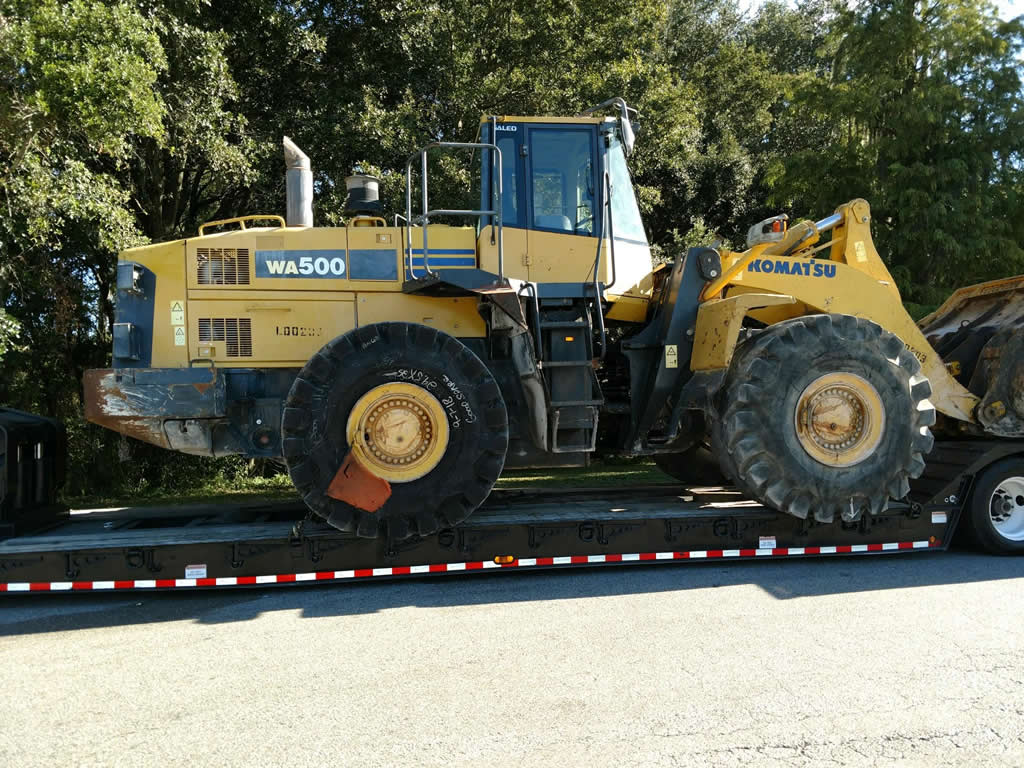 Every jurisdiction has varying levels of equipment and personnel to operate them. This can range from basic vehicles to large and complex technologies.
Fuel
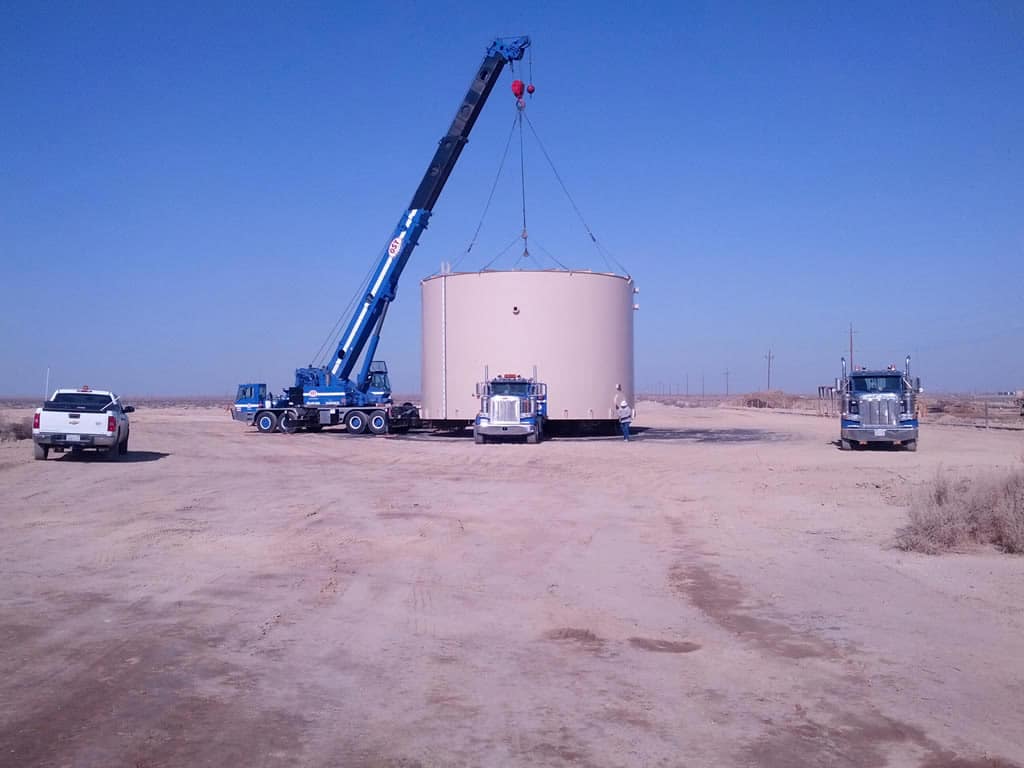 Maintaining fuel supplies during a disaster can be a serious issue. An important part of coordination is determining what fuel stockpiles are available and how the partner jurisdictions can access them.
Pre-Event Preparations
An important step in coordination with your jurisdiction partners is communicating and training before a disaster occurs. Dialogue is an important part of planning. Waiting until a disaster occurs to begin communications is a missed opportunity. As your plans develop you should conduct command and control exercises to ensure they can be efficiently employed.
Summary
Effective jurisdictional partnerships require careful preparations. Every jurisdiction should be familiar with its partners. This familiarly involves evaluating partner capabilities and priorities for disaster response. This level of preparation and understanding will serve as a strong foundation for emergency operations planning coordination.